Should one favor an occupied or vacant property when purchasing old real estate?
Written by: The Editorial Team
Publié le :
Modifié le :
6–8 minutes

Written by: The Editorial Team
Publié le :
Modifié le :
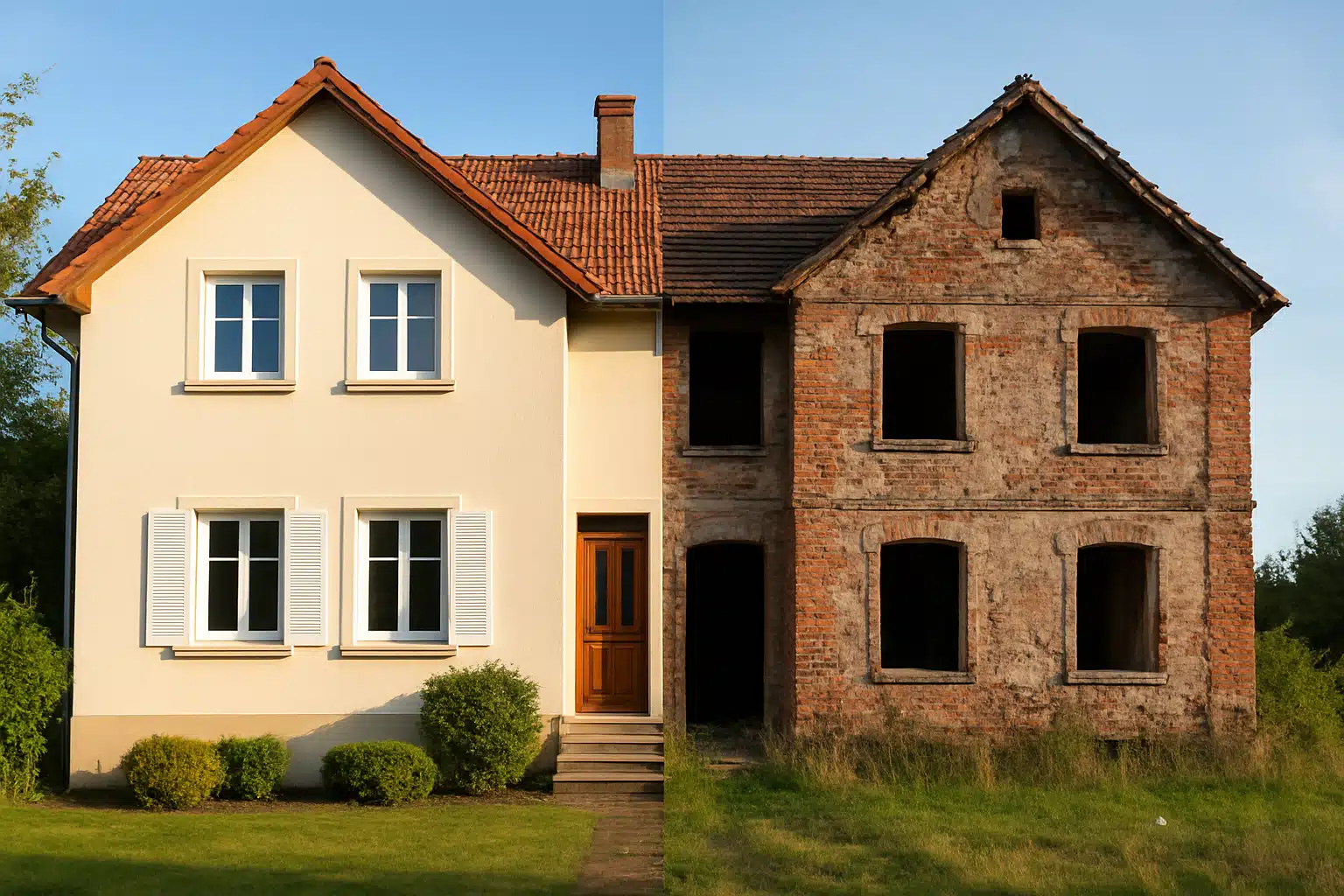
Buying an old property raises a strategic question: should you opt for an occupied or vacant property? A vacant property allows immediate entry and works without constraints, while an occupied property generally offers a price reduction of 10 to 20% and assured rental returns. The optimal choice depends on your project: primary residence, rental investment or renovation. Let's analyze the advantages and disadvantages of each option to clarify your purchase decision.
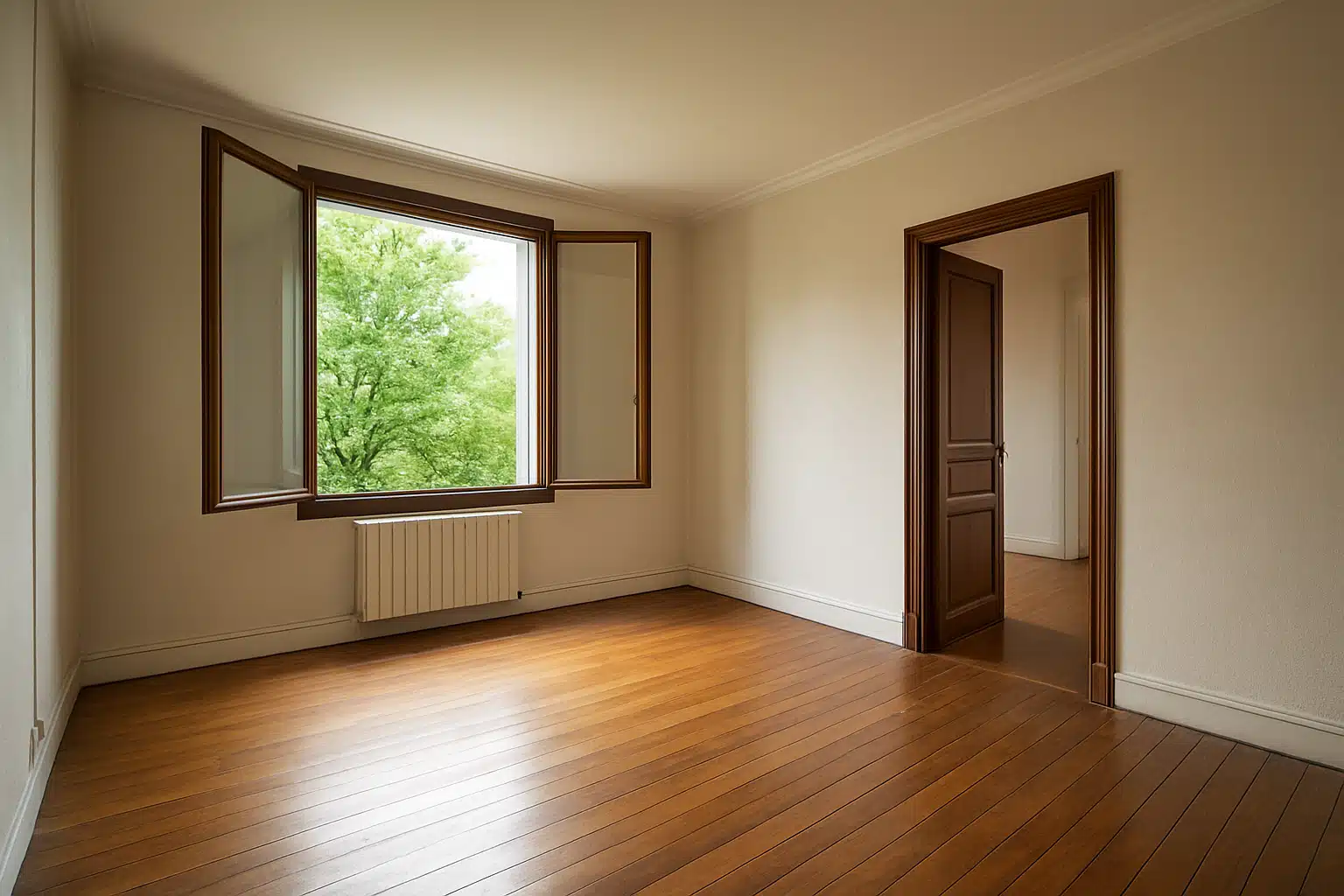
The acquisition of a vacant property presents the major advantage of immediate availability. From the moment the authenticated deed is signed, you can take possession of the property without delay. This situation is particularly suited if you are looking for a primary residence and need to move quickly, especially in case of a job transfer or family constraints.
Freedom of action is another considerable asset. You can undertake renovation work without tenant constraints, schedule interventions at your convenience and transform the property according to your wishes. This flexibility also allows you to better plan your budget by carrying out work in stages.
An empty property offers total transparency during viewings. You can inspect every corner, check the condition of the walls, floors, ceilings and more easily detect any hidden defects. The absence of furniture and decoration allows you to objectively assess the volume of rooms and imagine your future layout.
Real estate diagnostic experts can also intervene more easily in a vacant property. Technical inspections are facilitated, whether it is electrical inspection, asbestos testing or termite diagnosis. This accessibility reduces the risk of unpleasant surprises after acquisition.
Financial institutions generally prefer to finance a property intended to become a primary residence. Borrowing conditions can be more advantageous, with interest rates sometimes lower than those applied to a rental investment. Moreover, the absence of a tenant eliminates any risk related to rental management in the assessment of the application.
The purchase of an occupied property is systematically accompanied by a discount on the sale price. According to French notaries, this reduction generally ranges between 10% and 20% compared to an equivalent vacant property. This price difference is explained by the constraints linked to the presence of the tenant and the delay before being able to fully dispose of the property.
For an investor, this discount represents an opportunity to acquire property at a lower cost. The price differential can cover a significant portion of notary fees or constitute an appreciable financial safety margin. In a tight real estate market, this intrinsic negotiation is a certain competitive advantage.
An already rented property generates income from the day of acquisition. This immediate profitability allows you to start repaying the mortgage without a rental vacancy period. You inherit an existing lease, which eliminates delays and uncertainties related to finding a new tenant.
Rental continuity also provides visibility on the real profitability of the property. You know the amount of rent charged and can verify its consistency with the local market. This concrete information facilitates your financial projections and secures your investment.
Taking over an existing lease means the tenant has already been selected, their file has been validated, and the rental relationship is functioning. This situation considerably reduces the risks associated with non-payment, especially if you can consult the payment history. A tenant in place for several years generally constitutes a guarantee of reliability.
| Criteria | Vacant property | Occupied property |
| Purchase price | Standard market price | Discount of 10 to 20% |
| Availability | Immediate | Deferred (end of lease) |
| Income | None initially | Immediate |
| Works | Free and immediate | Constrained by tenant presence |
| Visit | Complete and detailed | Sometimes limited |
| Tailored profile | Primary residence, renovation | Rental investment |
An empty property can reveal signs of neglect if the vacancy is prolonged. The absence of heating in winter can promote humidity and condensation problems. Furthermore, you will have to bear alone the charges and property tax without rental compensation, which can strain your budget during the renovation phase or tenant search.
The period of searching for a tenant also constitutes a financial risk. Depending on the geographic area and market demand, this vacancy can last from a few weeks to several months. During this time, your investment generates no income while incurring expenses.
Purchasing an occupied property requires respecting the rights of the sitting tenant. If you wish to occupy the property, you must wait until the lease expires and observe a six-month notice period. This time constraint may be incompatible with an urgent primary residence project.
According to the Paris Notaries' Association, an occupied property is negotiated on average 15% cheaper than a vacant property, but this discount can reach 25% in highly competitive areas where buyers prioritize immediate availability.
If you are looking for a property to live in, the vacant property is the natural choice. Immediate move-in and the freedom to personalize your interior fully justify any additional cost. You can plan your installation according to your personal schedule and undertake the desired improvements without constraint.
However, if your situation allows you to wait a few months, an occupied property with a lease coming to an end can represent an excellent opportunity. The discount obtained will more than compensate for the wait, especially if you can maintain your current housing during this transition period.
From a rental yield perspective, the occupied property presents decisive advantages. The discount on the purchase price directly improves your gross return. Immediate income secures your cash flow and facilitates loan repayment from the first month.
Nevertheless, check the quality of the tenant in place and the adequacy of the rent with the market. An undervalued rent may require renegotiation at the end of the lease, which can lead to a tenant change. Conversely, an overvalued rent presents a risk of vacancy when the current tenant leaves.
A major renovation project imperatively requires a vacant property. Restructuring work, interventions on electrical or plumbing networks are incompatible with the presence of a tenant. Furthermore, certain work may justify a request for notice to vacate for works, but this procedure remains complex and constraining.
According to a study by the National Agency for Housing Information (ANIL), 68% of private investors favor the purchase of occupied properties for their first rental investment, seeking the security of immediate return.
The decision between an occupied or vacant property does not come down to a simple price comparison. It is part of an overall wealth strategy that integrates your personal situation, your financial objectives and your risk tolerance. A vacant property suits projects requiring maximum flexibility, while an occupied property optimizes the immediate return of a rental investment.
Take the time to analyze the specifics of each property beyond its occupancy status. Location, general condition, appreciation potential and building quality remain determining criteria. The best real estate opportunity is one that corresponds precisely to your needs, whether occupied or vacant. Do not hesitate to be accompanied by a real estate professional to objectively evaluate each option and secure your acquisition over time.
The editorial team
Passionate about overseas real estate, we follow daily the tax incentive schemes in the DOM-TOM. Our objective: to give you the keys to invest peacefully in Guadeloupe, Martinique, Reunion, Mayotte, French Guiana or Polynesia, with clear information and practical advice.